
The days of “Instagram Face” and overly sculpted cheekbones are coming to an end. Instead of it? A dirty, glitchy, unpolished, and most importantly, authentic visual and cultural reset. The emergence of ‘clean girl’ and ‘feral girl’ aesthetics on platforms like TikTok, shows the shift from refined to a celebration of uniqueness, texture and imperfection.
Smudged eyeliner and undone eyebrows aren’t the only examples of “post-gloss.” The goal is to unlearn perfection as an ideal. Beauty used to be associated with airbrushed perfection and high-shine luxury, but nowadays it’s more about skin texture, natural light, and putting authenticity first.
The Cultural Undercurrent
There is more to this movement than just looks. Values have changed as a result of internet discussions on mental health, de-influencing, and radical openness. For example, Pamela Anderson’s bare-faced Met Gala appearance wasn’t just about showing skin; it was a manifesto moment, proving that even the most glossy campaign image can lose its cultural force when it comes to vulnerability.
Audiences now desire connection over perfect finishes. They are interested in the ritual, narrative, and lived experience behind beauty. Perfection no longer rules. Presence does.
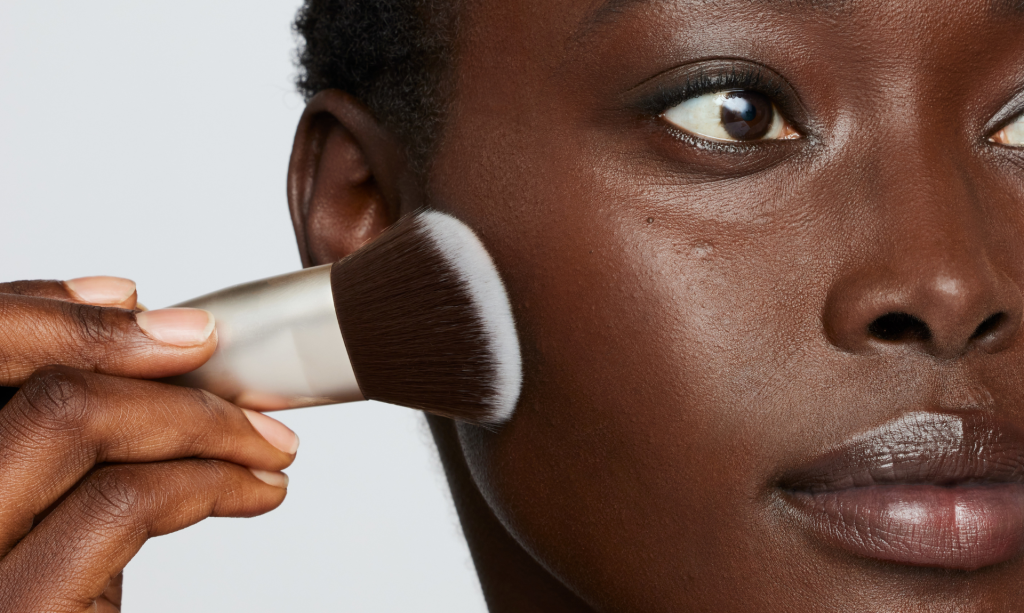
Case Study: Jane Iredale’s Skin-Positive Campaigns
Jane Iredale has been at the forefront of embracing natural skin texture well before the term post-gloss gained popularity. Their campaigns emphasise minimal coverage and genuine skin tones, promoting a philosophy of ‘less-is-more’ that honours individuality.
By prioritising self-expression rather than airbrushed perfection, Jane Iredale fosters a community of consumers who seek authenticity.
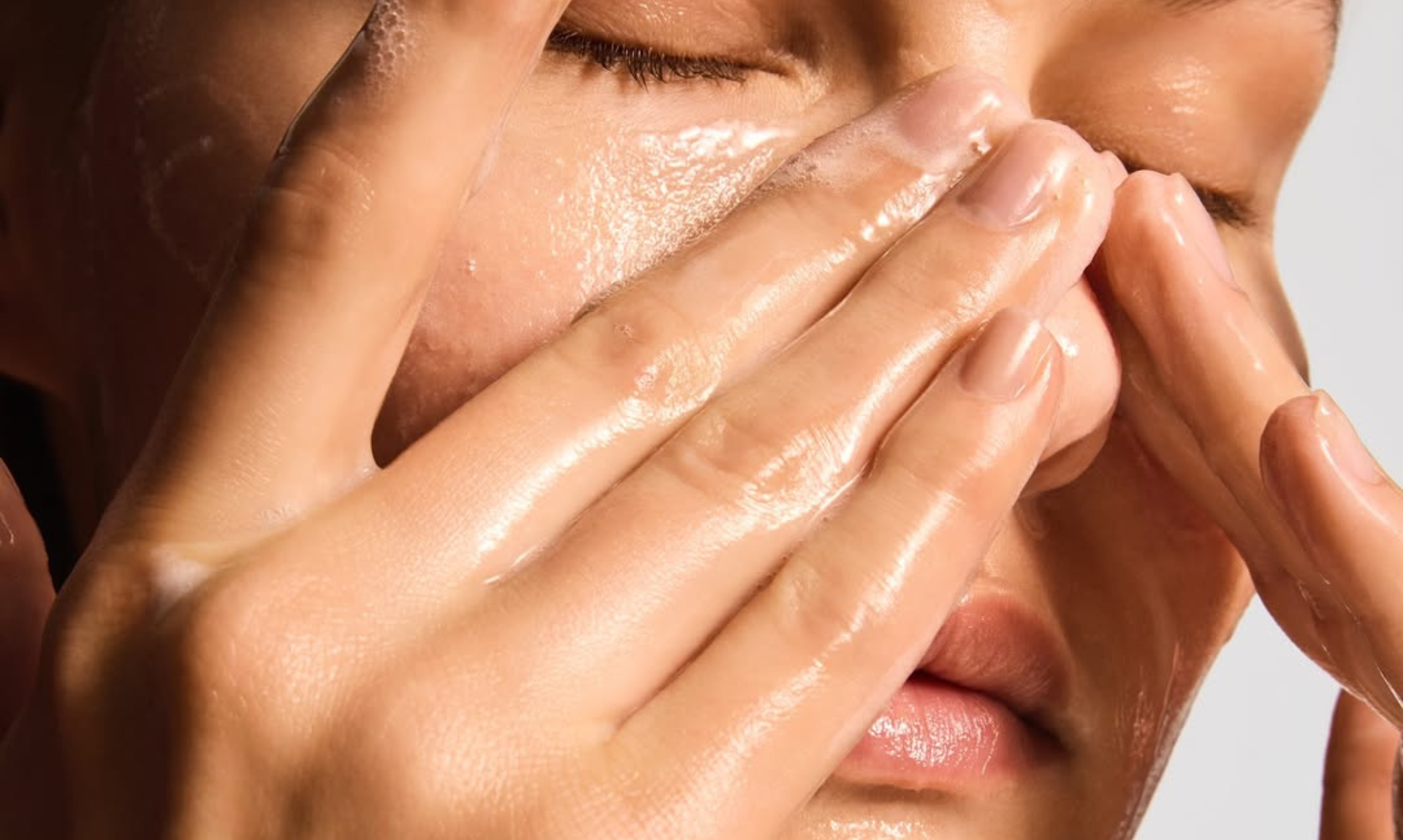
Case Study: Hydrafacial Ritual Storytelling
Hydrafacial has embraced the post-gloss era by redefining skincare as a ritual instead of a routine. Their narratives focus on the journey, wellness, and the tactile experience of skin care, underscoring the pleasure in self-care instead of pursuing perfection. This method strongly aligns in an environment where emotional bonds are the key to brand loyalty.
Implications for Brands
Brands cannot just replace a product image and claim it represents authenticity. The post-gloss reset requires a fundamental change in the way beauty is conveyed.
Visuals should emphasise texture, natural lighting, and the process rather than a polished finish.
Influencer strategies must focus on voices that embody insight, credibility, and honesty, rather than merely follower numbers.
Narratives should transition from aspiration to connection: the ritual of applying skincare, the intimacy of fragrance, and the quiet confidence of being your true self.
The New Brief
The aesthetic reset is more than a passing trend; it signifies a cultural awakening that calls for truth, individuality, and emotional richness. For beauty brands, this presents both a challenge and an opportunity.
The question isn’t whether perfection can still be sold; it’s whether you dare to let it go.
In the post-gloss era, authenticity isn’t just an extra; it’s the whole brief.
Ready to embrace the post-gloss era?
Discover how Fox Collective helps brands navigate the new era of authenticity, one story at a time.
Let’s start the conversation.